

For the high-net-worth business owner, the enterprise is frequently the primary engine of wealth creation and the single largest asset on the balance sheet. However, the transition from business equity to personal liquidity is a complex maneuver that requires precise coordination across multiple financial disciplines. Without a structured framework, the “wealth gap”, the disparity between current resources and the capital required to sustain a post-exit lifestyle, can jeopardize long-term stability.
At InSight Financial Planners, we recognize that wealth management for business owners is not a generic service but a specialized discipline. Our proprietary InSight-Full® planning process is designed to integrate your business value into a cohesive personal financial ecosystem. By employing a rigorous fiduciary standard and a team of Certified Financial Planner™ (CFP®) professionals, we ensure that every strategic decision serves your overarching objectives.
The Fiduciary Mandate: Beyond Basic Advisory
The complexities of a business exit require an advisory partner who operates under a strict fiduciary mandate. Unlike traditional brokers, our CFP® professionals are legally and ethically bound to prioritize your interests above all else. This distinction is critical when coordinating high-stakes transitions involving mergers, acquisitions, or internal successions.
Our approach is rooted in the “Six Core Planning Elements”:
- Investment Management
- Tax Strategy
- Cash Flow Analysis
- Retirement Planning
- Estate Planning
- Risk Management
By addressing these elements in a synchronized fashion, we eliminate the siloing that often occurs when business owners work with disparate advisors (CPAs, attorneys, and bankers) who are not communicating.
Direct Benefit: This integrated oversight provides business owners with a single point of clarity, reducing the cognitive load of managing multiple advisors while ensuring that tax and legal strategies are perfectly aligned with investment goals.
Stage 1: Discovery – Defining the Liquidity Event

The first phase of our structured 5-stage process is Discovery. For a business owner, this stage involves more than just identifying financial targets; it requires a deep exploration of the “why” behind the business and the “when” of the eventual exit.
In this phase, we utilize our P.E.A.K. Process to assess your required rate of return and current lifestyle spend rate. We ask the hard questions: What net-of-tax proceeds are necessary to fund your next chapter? Is the business currently positioned to deliver that value?
Direct Benefit: Proper discovery identifies potential “wealth gaps” early, allowing for years of strategic runway to increase business value or adjust personal expectations before a sale is initiated.
Stage 2: Organize & Formalize – The Valuation Gap
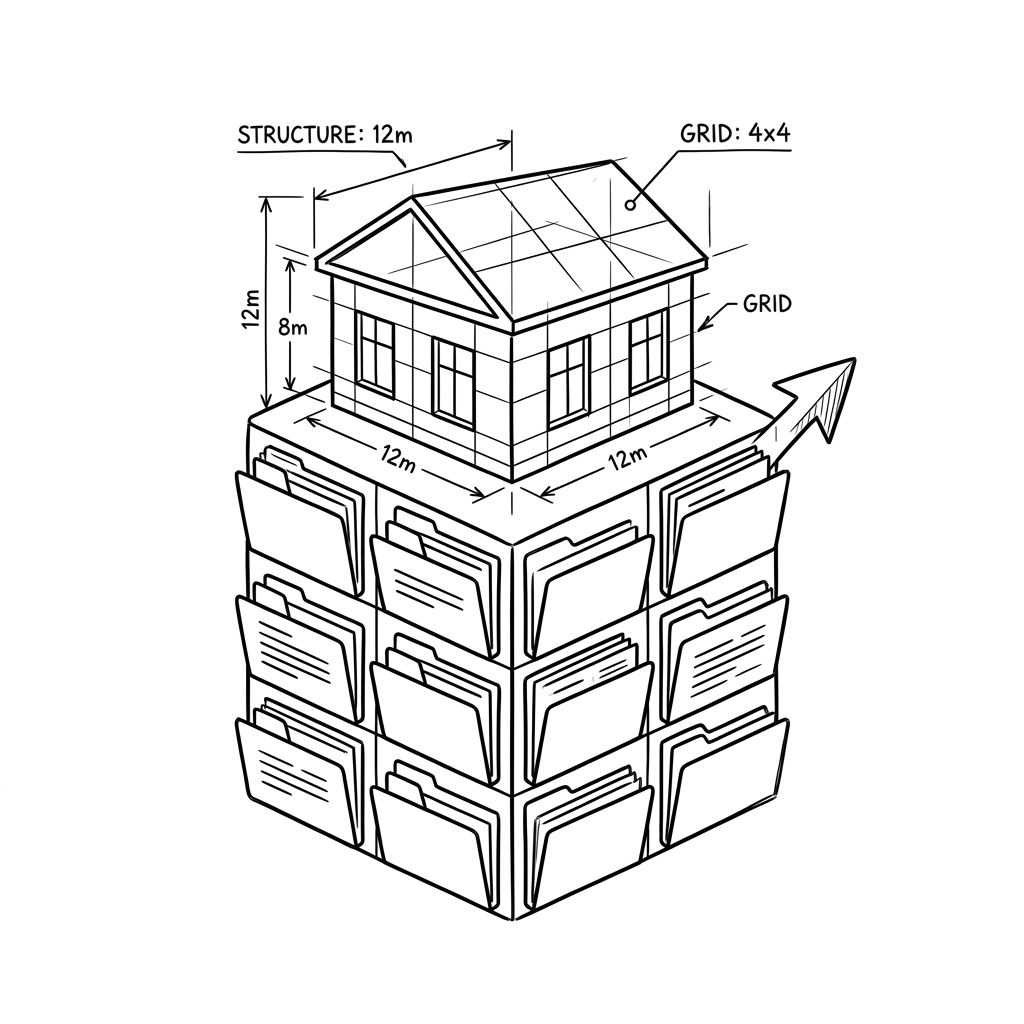
Once the objectives are clear, we move to Organize & Formalize. For business owners, this is where we bridge the gap between perceived value and market reality. We coordinate real estate valuations and business appraisals to ensure the data driving the financial plan is accurate.
We examine your current capital structure, debt rates, and cash flow. This stage is characterized by meticulous documentation and the formalization of your net worth statement, inclusive of the business entity.
Direct Benefit: A formalized plan transforms abstract business value into a tangible line item, providing a clear baseline for measuring progress toward the eventual exit.
Stage 3: Agree – The Strategic Roadmap

The Agree stage represents the formal commitment to a specific course of action. Whether you are pursuing an Employee Stock Ownership Plan (ESOP), a private equity buyout, or a family transition, the roadmap must be finalized here.
We coordinate with your legal and tax teams to evaluate the implications of various exit structures. This includes analyzing the tax efficiency of the deal, specifically how to leverage Section 1202 Qualified Small Business Stock (QSBS) exclusions or other high-level tax mitigation strategies.
Direct Benefit: Reaching a consensus on the strategic roadmap ensures that all stakeholders, family, partners, and advisors, are moving in the same direction, minimizing the risk of deal fatigue or late-stage friction.
Stage 4: Implement – Coordinating the Core Elements
Execution is where comprehensive financial planning meets the reality of the marketplace. The Implement stage involves the heavy lifting of wealth management for business owners.
During this phase, we focus on:
- Risk Management: Implementing buy-sell agreements and key-man insurance to protect the business value during the transition period.
- Estate & Succession: Using sophisticated gifting strategies and trusts to move business interest out of the taxable estate before a significant valuation spike occurs. Business succession planning is integrated directly into the personal estate plan.
- Investment Policy: Establishing the framework for the post-exit portfolio, ensuring the transition from an illiquid business asset to a diversified, liquid investment strategy is seamless.
Direct Benefit: Disciplined implementation mitigates the risk of “seller’s remorse” by ensuring that the financial infrastructure is robust enough to handle the sudden influx of liquidity.
Stage 5: Monitor – The Ongoing Cadence

The final stage, Monitor, is perhaps the most critical for long-term success. A business exit is not a one-time event; it is the beginning of a new financial lifecycle. We maintain an ongoing monthly cadence to keep your plan updated against shifting market conditions and regulatory changes.
Post-exit, the focus shifts to preserving the capital you worked decades to build. We monitor the retirement plan performance and adjust the cash flow strategy to ensure your wealth remains “InSight-Full®” for generations.
Direct Benefit: Continuous monitoring provides the “fiscal fitness” necessary to maintain your lifestyle and legacy, ensuring that your wealth remains a tool for freedom rather than a source of stress.
Conclusion: The Discipline of Partnership
Managing the transition from business ownership to private wealth is a process that rewards discipline and punishes procrastination. By utilizing the InSight-Full® process, business owners gain access to a methodical, CFP®-led framework that treats the business exit as one component of a holistic life plan.
Our role as your fiduciary “quarterback” is to provide the coordination and clarity required to navigate this transition with confidence. We focus on the leading indicators of financial health so that you can focus on the next chapter of your journey.
Direct Benefit: Partnering with a dedicated fiduciary ensures that your business exit is maximized for value, minimized for tax, and perfectly synchronized with your long-term vision of success.
Category: Articles and News
Tags: Investments, Taxes, Cash Flow, Retirement, Estate Planning, Risk Management, Business Owners
Disclosures: InSight Financial Planners is a Registered Investment Advisor. This article is for informational purposes only and does not constitute personalized investment, tax, or legal advice. Please consult with your professional team before implementing any exit or wealth management strategy.


